How Daily Painting Improves Your Art (and Your Mind)
- Elina Zhelyazkova
- 0 comments
There are many benefits to keeping a regular art practice and they go far beyond improving your technique.
Research has shown that engaging in just 45 minutes of art-making significantly reduces levels of the “stress hormone” cortisol. The process itself slows the mind and helps block out distractions. As a result, people often feel calmer and less anxious.
Seeing a completed work of art that you have created also stimulates the release of dopamine (the feel-good hormone). This can lower feelings of depression and increase feelings of confidence.
Creating art can also help us become better problem solvers, stimulate the imagination, and make us more observant. Over time, this affects not only how we paint, but also how we think and respond to challenges.
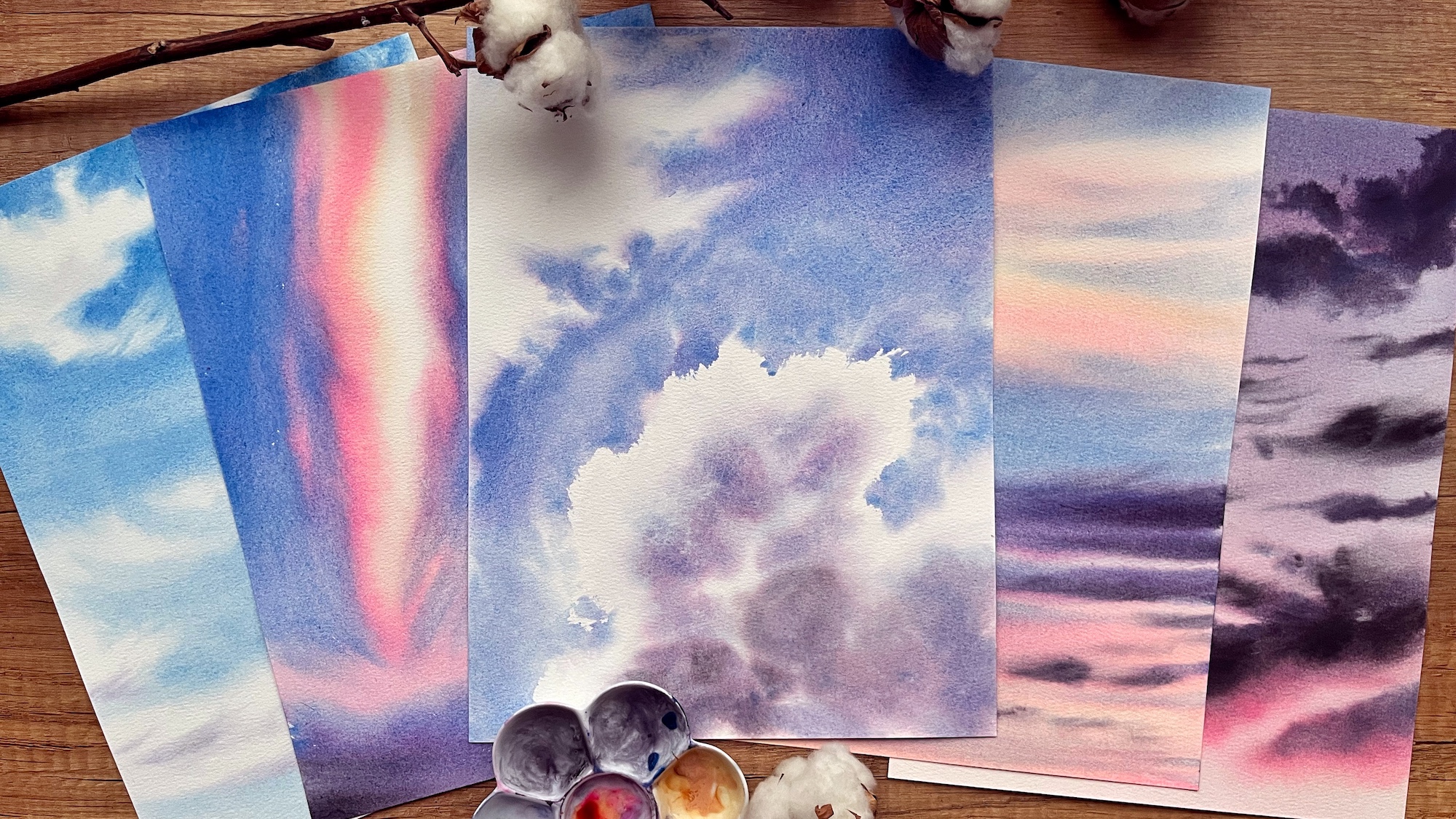
Why daily painting makes such a difference
Painting regularly builds a rhythm. It removes the pressure of “waiting for the perfect moment” and replaces it with consistency. When you show up often, even for a short time, you start trusting yourself more.
Daily or near-daily practice also helps you:
make faster decisions
experiment without fear
notice patterns in your work
grow without overwhelm
And the best part - you don’t need long sessions, but repeatable ones.
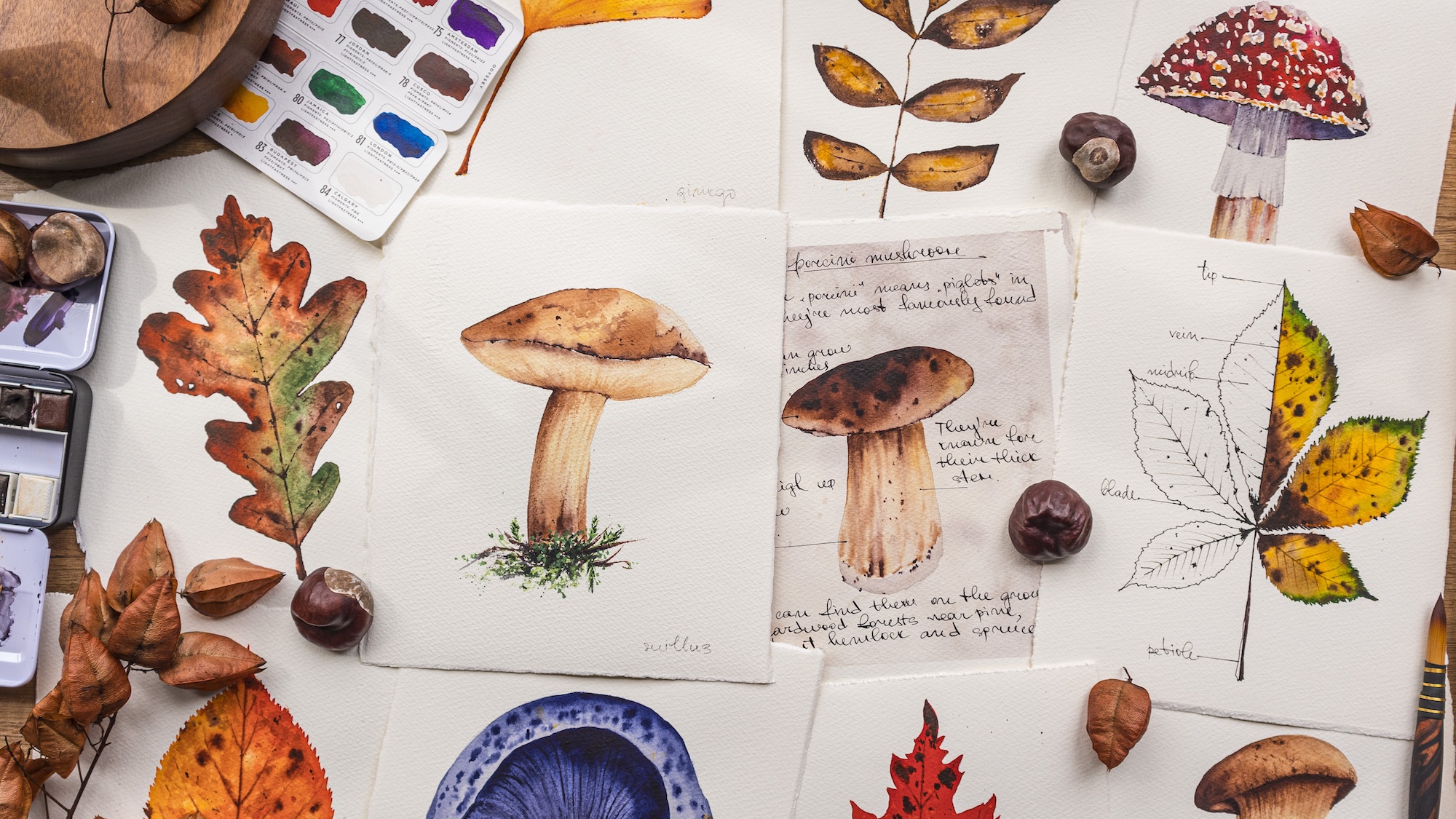
How to support a regular creative practice
Now that you know some of the benefits, here are a few simple ways to make your art practice sustainable.
1. Set specific, realistic goals
Ask yourself: What is a realistic goal for me right now?
It can be painting for 15 or 30 minutes a day, as we do in my challenge-style classes. It can also be 3 times a week or one hour each weekend. Make sure it’s achievable, but also slightly challenging so you’re setting yourself up for success.
2. Stick to a schedule
Decide when you’ll paint and put it in your calendar. You’re much more likely to take it seriously when it’s part of your daily or weekly plan, rather than something you do “whenever you have time.”
3. Use reminders
This is a new habit, so support yourself. Use sticky notes, a reminder app, or a simple phone alarm to help you remember.
4. Be gentle when you miss a day
If you skip a day or even a week, don’t quit. Simply promise yourself you’ll return as soon as you can. Remember that this is for your well-being, not for perfection.
5. Celebrate milestones
A five-day streak. A full week. A month of weekend painting. These moments matter and build confidence.
6. Prepare your space in advance
Use the night before to tidy your creative area, decide on your project, and prepare your supplies. When everything is ready, starting feels so much easier.
7. Keep a sketchbook (something I’ve been struggling with for years)
It becomes a visual record of your growth and a reason to return.
8. Find accountability
A friend, a group, or a class can help you stay consistent. Sharing your struggles and successes makes the process lighter.

Why challenge-style classes work so well
Short, daily challenges remove the pressure of “finishing something perfect.”
They give you:
a clear starting point
a small, doable goal
and a structure
An ispiring next step
If you’d like to experience this kind of practice, I’ve created two challenge-style watercolor classes designed to help you build consistency, confidence, and creative flow.
They’re simple, focused, and meant to support you (not overwhelm you).
I hope you feel encouraged to start. There’s no need to wait for the perfect moment, you just need to show up.