What Brands Actually Look for When They Contact Artists (It’s Not Just Your Follower Count)
- Elina Zhelyazkova
- 0 comments
One of the many great things about being an artist online is that your favorite brands can easily spot you (and even invite you to work together on a project). Sometimes they reach out to collaborate, invite you to be part of a launch, or ask you to try new materials before anyone else.
And if that hasn’t happened for you yet and you find yourself wondering ‘Why brands never contact me ?’ - this post is for you.
It is not a brag post, and it’s not a promise that everyone will land brand deals. It’s a reflection of my experience working with brands over the past 7 years (including Maimeri, Princeton, Winsor & Newton, and several others).
I’ll also touch on brand ambassadorships as a separate category (because not all collaborations are the same) but the main focus here is this:
What brands actually look for, beyond numbers.
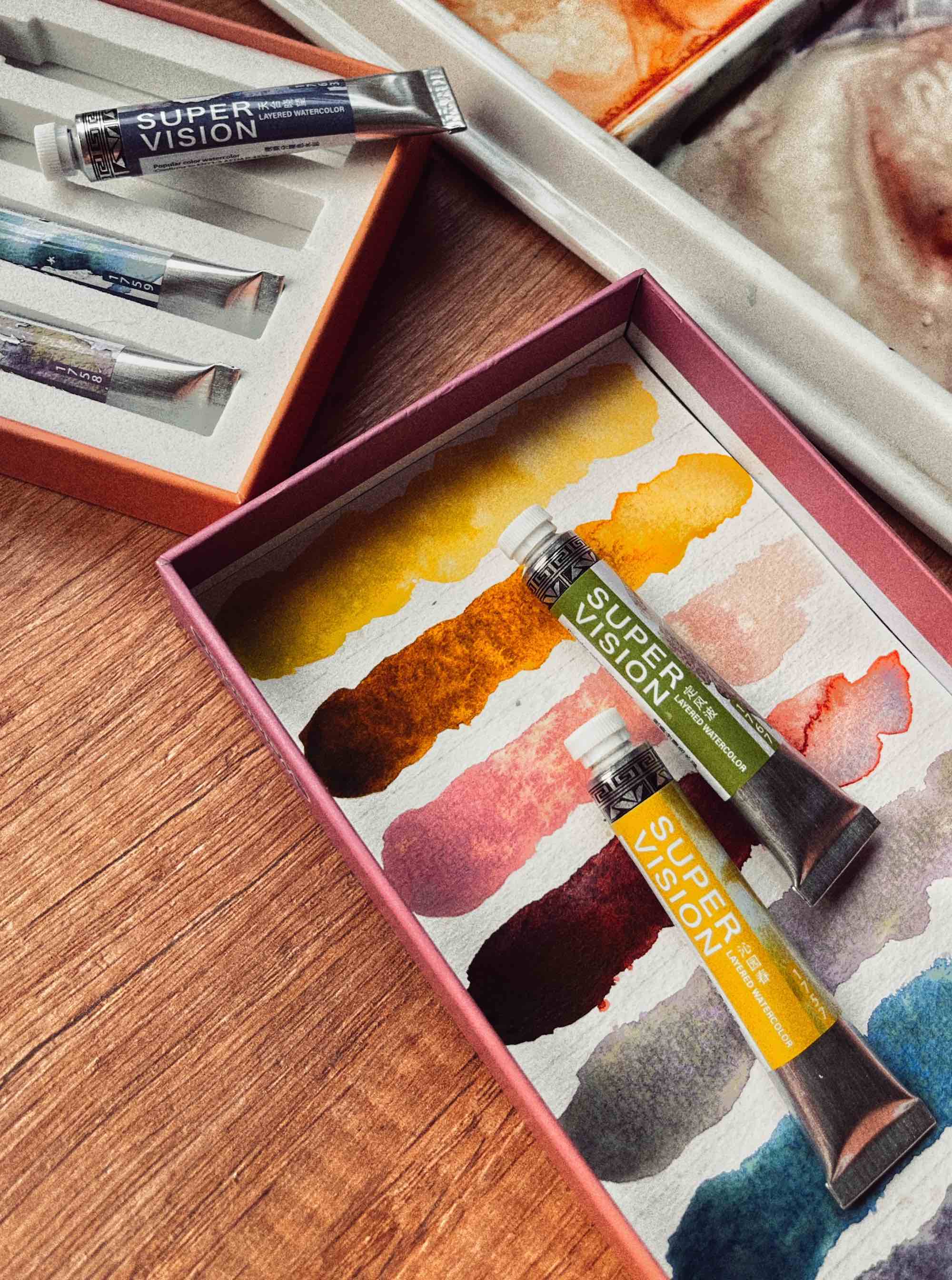
How I became a brand ambassador for the first time
When I became a brand ambassador for Art Philosophy in 2020, I had fewer than 3,000 followers. At that time, I strongly believed that follower count was super important. So much so that I almost didn’t apply.
A friend encouraged me to at least try. She genuinely believed I was capable and deserving, even when I didn’t feel that way myself. It took some time, but that encouragement stayed with me and eventually I decided to apply.
The first thing I did was read the requirements very carefully. This may sound obvious, but many people apply to brand calls without fully reading what’s expected. One of the requirements was that the artworks submitted had to be created using the brand’s paints.
Those paints weren’t available in Bulgaria, and delivery options were very limited at the time. I spent quite a bit of time searching for a store that could ship them to me. Eventually, I found one abroad, placed the order, paid a high shipping fee, and waited.
Once the paints arrived, I painted constantly. During that open call period, I created and shared more work than ever before. To this day, it still feels like one of my most productive periods as an artist.
Full transparency, this was during the COVID lockdown, so I had more time than usual. Still, most of that time went into this project.
I got the ambassadorship. And with it came projects, opportunities, and collaborations that I truly enjoyed, especially because I knew how much effort went into it.
What I want you to take from this story is simple:
Don’t underestimate yourself based on numbers or where you think you “should” be.
Many people want the opportunity but few are willing to fully commit and put in the work
Brands are not looking for perfect art or massive accounts, they’re looking for consistency, dedication and genuine enthusiasm.
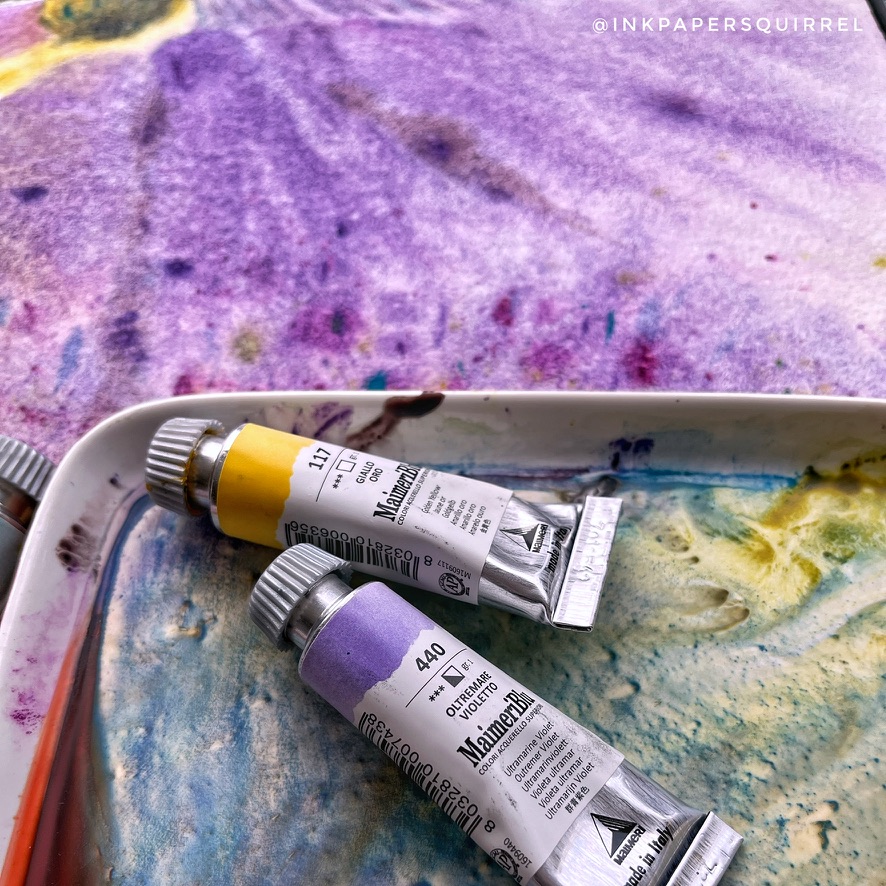
What brands actually look for
So let’s get to the core question.
Consistency
Not daily posting necessarily, but a steady and recognizable presence. Showing up regularly over time matters more than short bursts of activity followed by long stretches of being inactive.
A clear artistic voice
Brands want to understand who you are as an artist. Clarity and recognizability matter more than variety.
Ability to explain and teach
Especially for art brands, this is a big one. If you can clearly show, explain, or talk about materials and process, that’s valuable.
Clean, readable content
Good lighting, framing, and content that’s easy to follow.
Professional communication
How you respond to emails or messages matters too. Reliability and respect are noticed for sure.
Reliability
Doing what you say you’ll do, meeting deadlines, and following through builds trust.
What most artists misunderstand about brand collaborations
Many artists think they’re too small to be noticed (often not true).
Others believe their art isn’t good enough yet (but brands aren’t searching for perfection).
Some expect brand deals to change everything (in reality, they’re just one small part of a creative career).
And finally, not every collaboration is worth accepting. Learning to say no is part of being professional.
Closing thoughts
You don’t need to be a professional artist with hundreds of followers to get brand deals, but you do need to show up for your work.
From my experience, everything starts there. Showing up, doing the work, talking about your process honestly, and letting people see how and why you create. That’s what builds trust, visibility, and, eventually, opportunities.
Brand collaborations can come later.
First comes your commitment to the work itself.